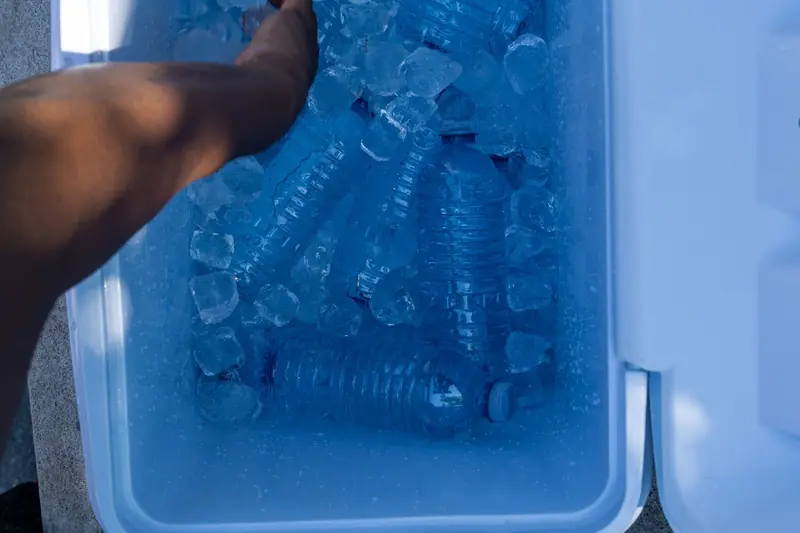
Best Coolers for Camping
A cooler keeps food safe as much as it keeps drinks cold. For a weekend trip the decisions that matter are capacity, build quality, how heavy it is when empty and whether it needs wheels. This page is for car campers who plan meals around the cooler and want to keep food at a safe temperature. Cold storage also depends on ice, shade and how often the lid opens, which our camping food safety guide walks through.
What we look for
Capacity for trip length
a bigger cooler holds more food but weighs more and takes more ice.
Ice retention claims
makers state how many days ice lasts, so treat the number as marketing.
Insulation and build
thicker walls and a tight gasket keep temperatures steadier.
Drain plug
a good drain lets you empty meltwater without lifting a full cooler.
Latches and gasket
sturdy latches and a rubber gasket keep the lid closed and the cold in.
Wheels, handles and weight
a loaded cooler is heavy, so wheels and handles matter more than they look.
- Sources: manufacturer product pages, manuals and warranty terms, plus USDA and University of Maine Extension food-safety guidance.
How to choose the right cooler
Choose capacity for the trip, then check build, drain and wheels. Our camping food safety guide covers how to pack the cooler, and a camp stove completes the kitchen.
Capacity for trip length
Pick the capacity for your group and trip length, in quarts. A full cooler stays cold longer than a half-full one, so do not buy far more than you need. Many campers use one cooler for food and a second for drinks, as our camping food safety guide explains. USDA says a full cooler keeps food cold longer than a half-full one (USDA), so match the size to the food you will really pack.
Ice retention claims
Ice retention is a maker claim made under the maker's own conditions. Use it to compare coolers from the same maker, not as a promise. Your real results depend on how full the cooler is, the shade and how often you open it. Frozen gel packs and drinks frozen solid also help keep food cold, as USDA notes (USDA).
Insulation and build
Check the wall insulation type and the lid seal. Hard-sided coolers with thick walls usually hold cold longer than soft or thin ones, but they weigh more. The listing should state the wall construction. Ask what the lid and walls are made of, and read how the maker describes the seal instead of relying on thickness alone.
Drain plug
A drain plug is a small feature that saves a lot of effort. Check the Drain plug column and look for a plug you can open and close with one hand. Empty meltwater away from where you prepare food and where people walk.
Latches and gasket
Look for latches that hold the lid shut when the cooler is jostled in the trunk and for a gasket around the lid. Read what the warranty says about hinges and latches. A lid that stays shut matters because every opening lets warm air in; USDA notes that a drink cooler opened often swings in temperature (USDA).
Wheels, handles and weight
Wheels help over paths and parking lots but add weight and can take space inside. Compare empty weight, since the load will be added to it. Look for handles that give a grip for two people. Plan the route from the car to the site before you buy; a cooler that will not roll over roots or gravel is heavier than its weight column suggests.
Tips for using your cooler
- Put an appliance thermometer in the cooler, as USDA suggests (USDA).
- Use two coolers: one for drinks, one for food. See our food safety guide.
- Keep the cooler in the shade, and remember perishable food should not sit out long (USDA).
- USDA says perishable food shouldn't sit out more than 2 hours, or 1 hour when it is above 90°F, and its rule is "when in doubt, throw it out" (USDA).
- University of Maine Extension lists camp cooking temperatures of 145°F for steaks, roasts and fish, 160°F for ground meat and egg dishes and 165°F for poultry (University of Maine Extension).
FAQ
How cold should a camping cooler be?
Stay at or below 40°F, and USDA suggests a thermometer inside the cooler to confirm it (USDA).
Should drinks go in a separate cooler?
Yes. A drink cooler gets opened constantly, and the temperature swings that causes are why USDA suggests keeping food in its own cooler (USDA).
Does a full cooler stay colder?
Yes, a full one holds cold longer than a half-full one, says USDA, and shade helps too (USDA).
How long can food sit out at camp?
Two hours is the limit for perishables, shrinking to 1 hour once the temperature passes 90°F (USDA).
Related
-
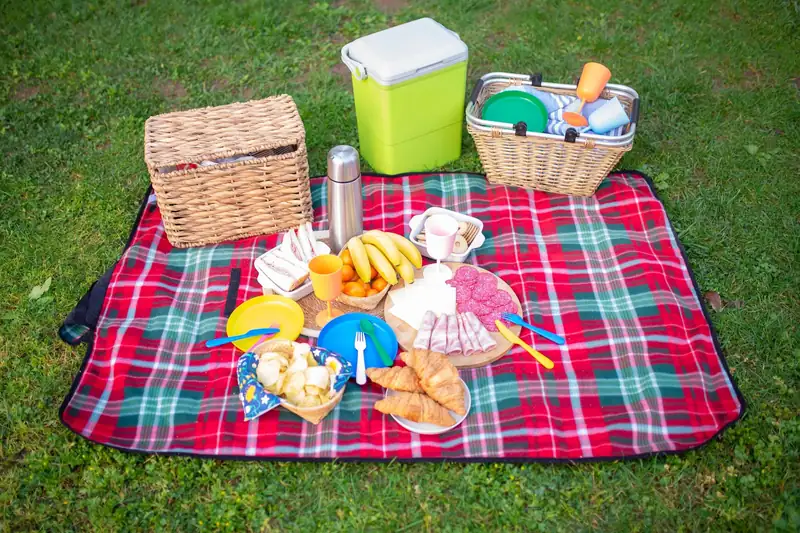
Guide
Camping Food Safety: How to Pack a Cooler and Keep Food Cold
The 40°F rule, cooler packing, the 2-hour limit and safe camp cooking temperatures.
-
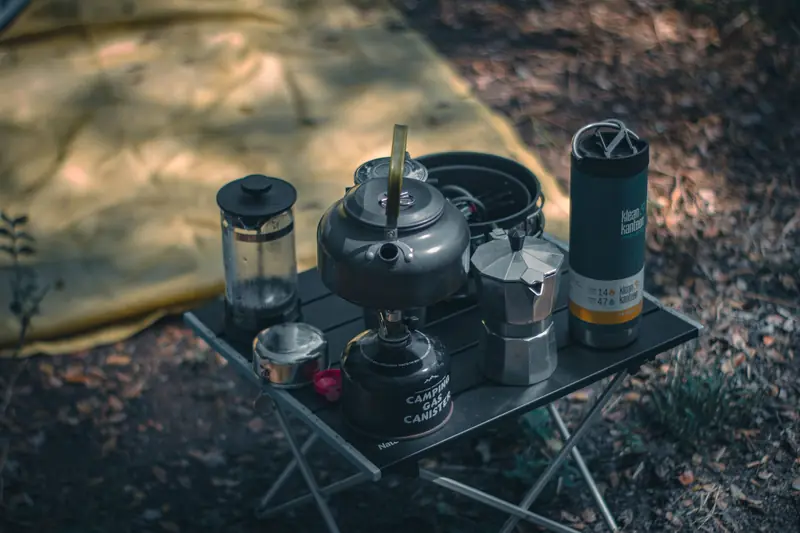
Buying guide
Best Camp Stoves for Car Camping
Burners, output, fuel and ignition for two-burner and single-burner camp stoves.
-
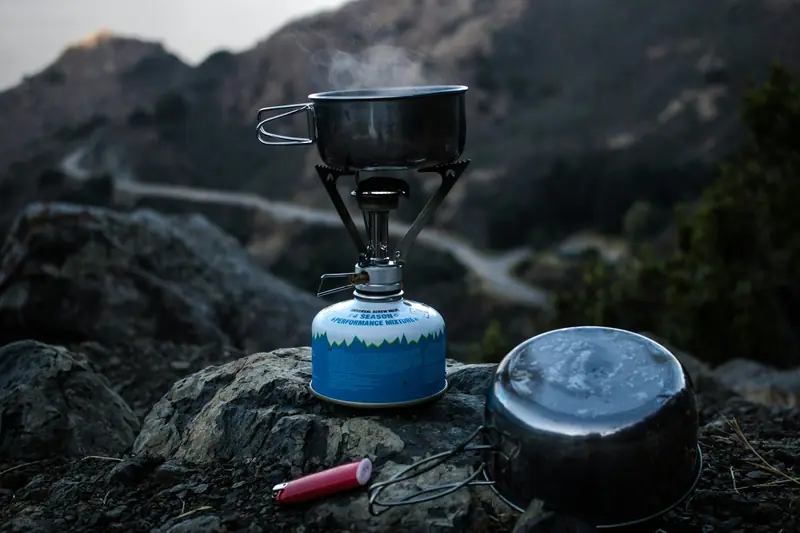
Comparison
Propane vs Butane Camp Stoves: Which Fuel to Choose
Canisters, cold weather, cost per cook, designs and safety, side by side.
-
Buying guide
Best Camping Chairs
Weight rating, seat height, back support and packed size for camping chairs.
-
Guide
The Camping Checklist (Built on the NPS Ten Essentials)
The NPS Ten Essentials plus car-camping gear, sorted into a printable list.
-
Buying guide
Best Family Camping Tents
Floor area, standing height, rain cover and setup for family and cabin tents.


Get the Weekend Camping Checklist
A printable checklist covering the NPS Ten Essentials, the ratings to check on your sleep gear, safe cooler temperatures and the fire and carbon monoxide rules. No charge, and sized to hang on the fridge.