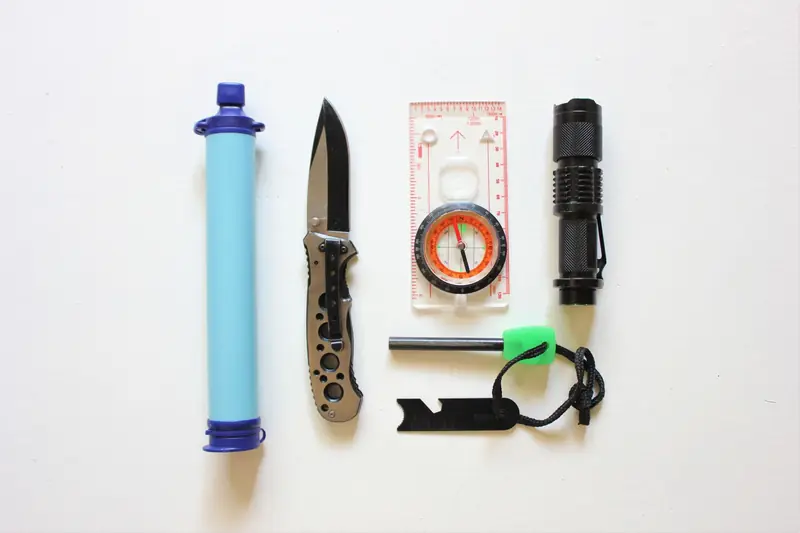
The Camping Checklist (Built on the NPS Ten Essentials)
The NPS Ten Essentials plus car-camping gear, sorted into a printable list.
Quick answer
Jump to section
The Ten Essentials, explained
The National Park Service lists ten essentials to carry whenever you head outdoors. They are (NPS):
- Navigation
- Sun Protection
- Extra Clothing
- Illumination
- First-Aid Supplies
- Fire
- Repair Kit and Tools
- Nutrition
- Hydration
- Emergency Shelter
The list works for car campers too, especially if you walk away from the car for a trail, a lake or a viewpoint. Here is what NPS says about the items that people most often forget (NPS):
- Navigation: know how to use a map, compass or GPS. Carry a paper map as a backup, and an extra phone battery.
- Illumination: a headlamp is preferred for hands-free use. Bring spare batteries.
- Nutrition: pack an extra day's supply of food, preferably no-cook and energy-rich.
- Hydration: drink before you feel thirsty, identify water sources and bring treatment supplies.
- Emergency shelter: a tent, tarp, bivy or emergency space blanket.
- First aid: start with a premade kit, adjust it to the trip, check expiration dates and add personal medications.
- Fire: waterproof matches or a lighter plus fire starters, and check the park's fire regulations.
Everything else in this checklist builds on those ten. Treat them as the foundation, and add the comfort items on top.
Shelter and sleep
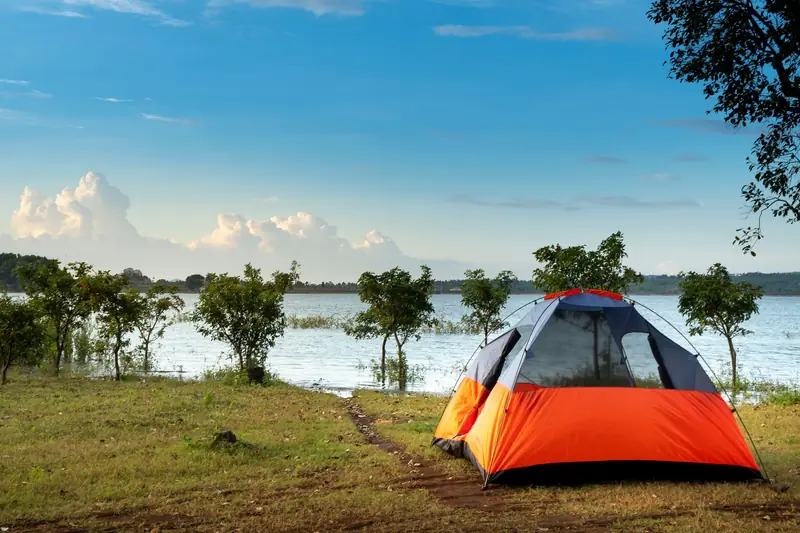
Your tent is your main shelter, and a good one is the biggest single purchase on this list. For a family at a drive-in campground, floor area and standing height matter more than weight. Our family camping tent buying guide explains how to read those specs, and our instant tent vs dome tent comparison helps you choose a type.
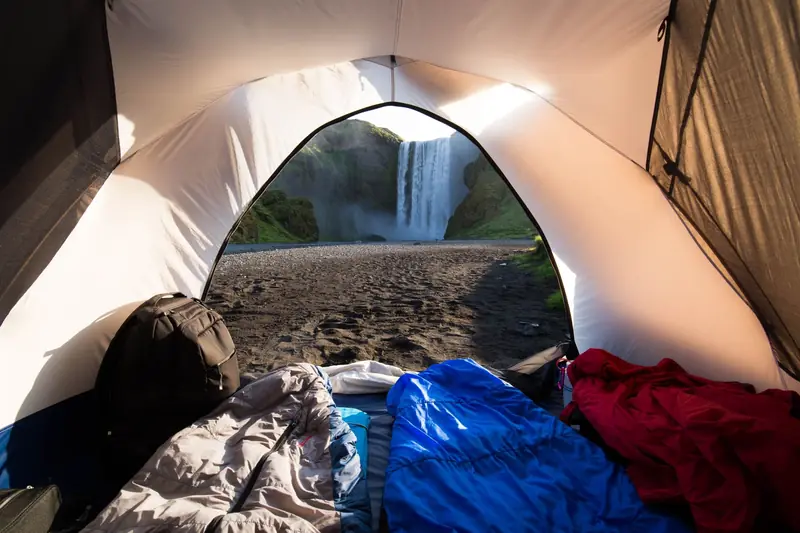
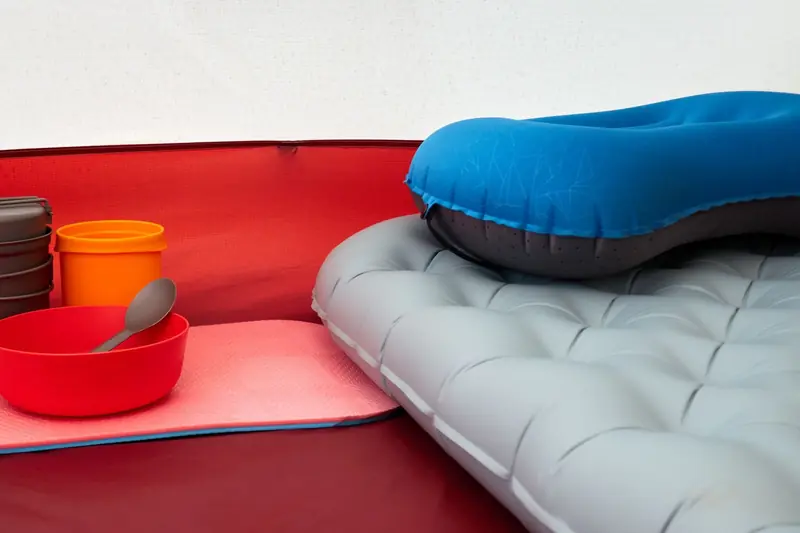
Sleep gear comes in three layers. The bag keeps you warm, the pad keeps the ground from stealing your heat and, if you use one, a cot lifts you off the ground. Choose the bag by its ISO Comfort rating, and read our sleeping bag ratings guide if the numbers are new to you. Then pick a pad with a published R-value from our sleeping pad buying guide.
Pack these for shelter and sleep:
- Tent, poles, stakes and rainfly
- Ground cloth or footprint, if your tent uses one
- Sleeping bag for the coldest night you expect
- Sleeping pad or cot, plus a pillow
- A repair kit for the tent and the pad, from the Ten Essentials list
If you also hike away from the campsite, carry an emergency shelter as the Ten Essentials advise (NPS). A tarp or an emergency blanket is enough, and it weighs little.
Camp kitchen and cooler
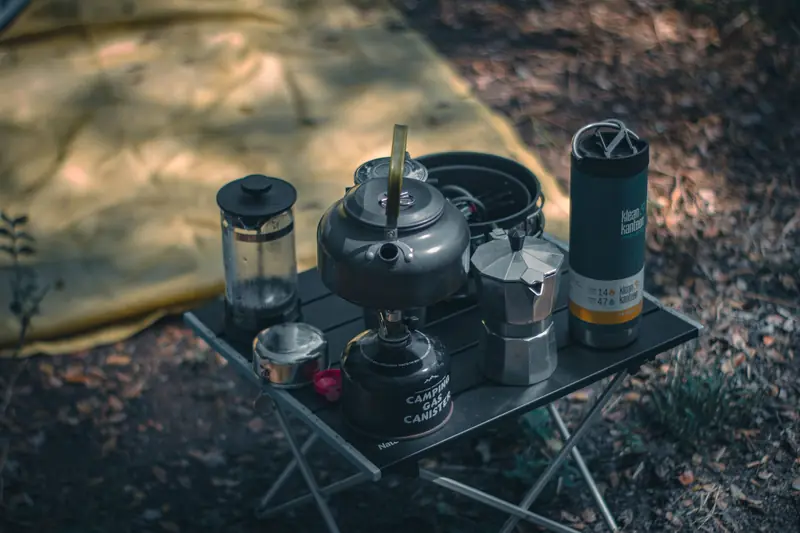
The kitchen is where most camping trips succeed or fail. Start with the stove: our camp stove buying guide covers burners, output, fuel and ignition. Then plan the food around the cooler.
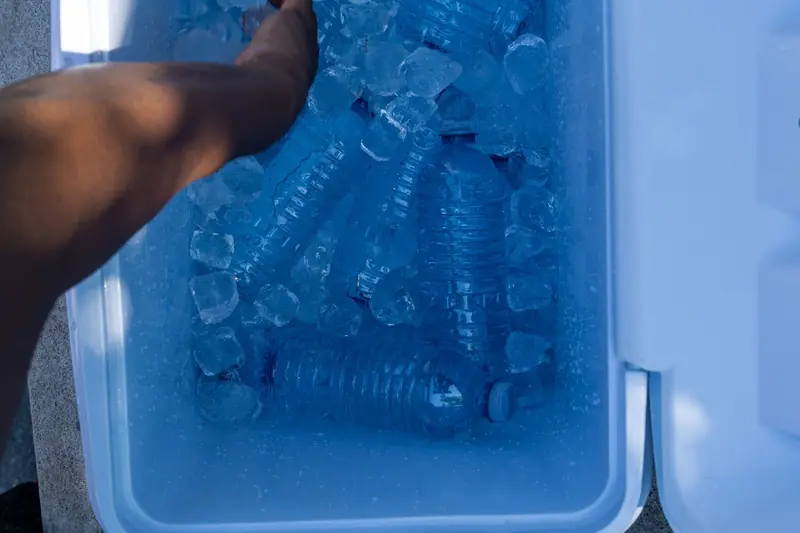
Put an appliance thermometer in the cooler, as USDA suggests, and pack drinks in a separate cooler. Our camping food safety guide explains the rest, and our camping cooler buying guide helps you choose one.
Pack these for the kitchen:
- Stove and fuel, plus a lighter or waterproof matches
- Cooler, ice or frozen bottles, and a thermometer
- Meat thermometer
- Pots, pan, utensils, plates and cups
- Water containers and water treatment supplies
- Trash bags, dish soap and a wash basin
- Extra food, preferably no-cook and energy-rich
Cook outdoors only. Our carbon monoxide guide explains why stoves and grills stay out of the tent.
Light and power
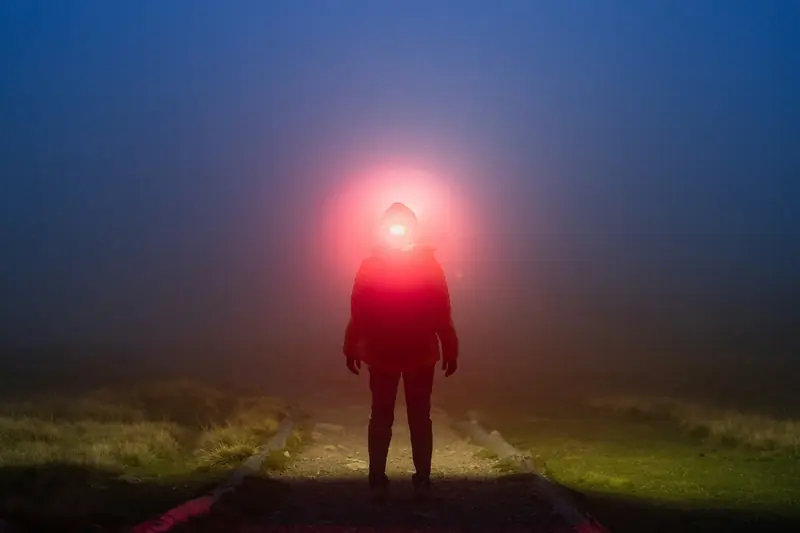
Light is one of the Ten Essentials, and NPS prefers a headlamp for hands-free use and says to bring spare batteries (NPS). Give everyone their own. Our headlamp buying guide compares brightness, red-light mode and runtime.
A lantern lights the table and the tent. Choose a battery or rechargeable lantern for use around where you sleep. Our camping lantern buying guide explains brightness, runtime and water resistance.
If you need to charge phones or run small devices, a battery power station is an option that burns no fuel. Our portable power station buying guide lists the specs to check. If you do take a gas generator, CDC says to run it outdoors only, more than 20 feet from windows, doors and vents (CDC).
Pack these for light and power:
- A headlamp for each person, plus spare batteries
- A lantern
- A power bank or power station for phones
- Charging cables
- An extra phone battery, as NPS advises for navigation
Comfort and furniture
Comfort is what turns a camping trip into a good one. A good chair is the first thing most campers add. Our camping chair buying guide compares weight rating, seat height, back support and packed size.
Pack these for comfort:
- A camp chair for each person
- A table, if your site does not have one
- A rug or mat for the tent entrance
- Warm clothing and a hat for the evening (the Ten Essentials list extra clothing)
- Sun protection, which is also on the Ten Essentials list
- Games, books and something for the kids
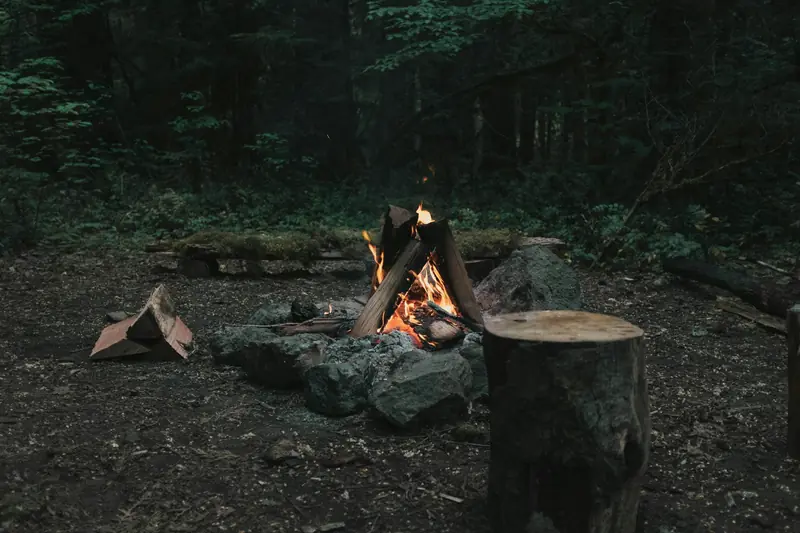
Place chairs outside the cleared area around the fire. Our campfire safety guide lists the distances and the Drown, Stir, Drown, Feel method for putting the fire out.
Leave No Trace basics
The National Park Service lists seven Leave No Trace principles: Plan Ahead and Prepare; Travel and Camp on Durable Surfaces; Dispose of Waste Properly; Leave What You Find; Minimize Campfire Impacts; Respect Wildlife; and Be Considerate of Other Visitors (NPS).
Two of those turn into concrete actions on a camping trip. Camp at least 200 feet from lakes and streams where you camp away from a designated site, and dig catholes 6 to 8 inches deep, at least 200 feet from water, camp and trails (NPS).
The rest are habits. Pack out what you pack in. Leave rocks, plants and anything else you find where it is. Keep your food stored and your distance from wildlife. Keep your noise down and share the trail.
Printable checklist
Print this page, or copy the list into your notes. Work through it a few days before you leave, not the night before.
The Ten Essentials
- Navigation: map, compass or GPS, and an extra phone battery
- Sun protection
- Extra clothing
- Illumination: headlamp and spare batteries
- First-aid supplies
- Fire: matches or lighter, and fire starters
- Repair kit and tools
- Nutrition: an extra day of food
- Hydration: water and treatment supplies
- Emergency shelter
Camp checks
- Fire restrictions checked
- Tent pitched at home once, and poles counted
- Sleeping bag chosen by its Comfort rating
- Pad R-value checked
- Cooler thermometer reads 40°F or below
- Stove, lantern and heater used outside the tent only
- Chairs, table and lighting packed
- Trash bags packed
For the full buying guides behind this list, start with our camping tent guide, then sleeping bags and sleeping pads.
Gear that helps
-
Best Family Camping Tents
Your shelter, with the floor area and height a family needs.
-
Best Sleeping Bags for Camping
Choose a bag by its ISO Comfort rating.
-
Best Sleeping Pads for Camping
Check the R-value so the ground does not steal your heat.
-
Best Headlamps for Camping
Illumination is one of the Ten Essentials, and a headlamp is the hands-free choice.

FAQ
What are the Ten Essentials?
NPS lists them as navigation, sun protection, extra clothing, illumination, first-aid supplies, fire, a repair kit and tools, nutrition, hydration and emergency shelter (NPS).
Do car campers need the Ten Essentials?
They are worth packing whenever you may leave the car for a walk (NPS).
Related
-
Buying guide
Best Family Camping Tents
Floor area, standing height, rain cover and setup for family and cabin tents.
-
Buying guide
Best Sleeping Bags for Camping
ISO Comfort and Limit ratings, fill, shape and zippers for camping sleeping bags.
-
Buying guide
Best Sleeping Pads for Camping
ASTM R-value, thickness, type and size for foam, self-inflating and air pads.
-
Buying guide
Best Camp Stoves for Car Camping
Burners, output, fuel and ignition for two-burner and single-burner camp stoves.
-
Buying guide
Best Coolers for Camping
Capacity, insulation, wheels and weight for camping coolers, with food-safety rules.
-
Guide
Campfire Safety: Build, Tend and Fully Put Out Your Fire
Distances, pit basics and the Drown, Stir, Drown, Feel method.

Get the Weekend Camping Checklist
A printable checklist covering the NPS Ten Essentials, the ratings to check on your sleep gear, safe cooler temperatures and the fire and carbon monoxide rules. No charge, and sized to hang on the fridge.