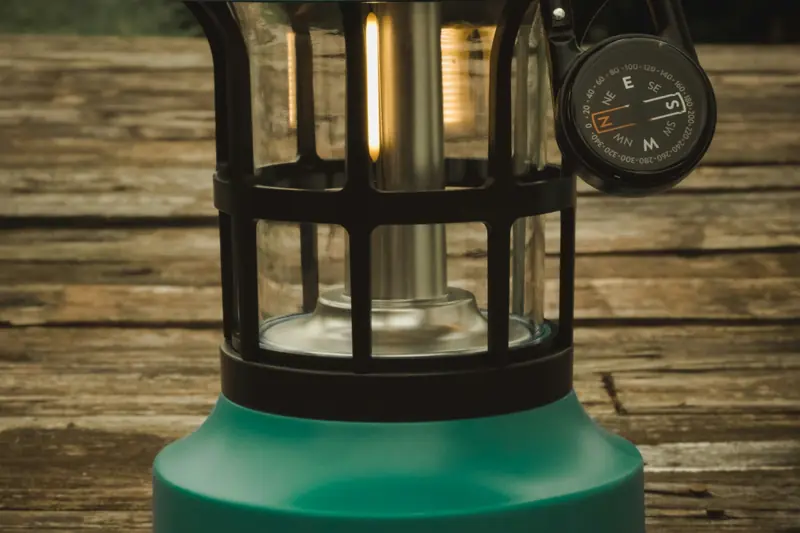
Best Camping Lanterns
A lantern lights the table, the tent and the walk to the bathroom. For tent use, a rechargeable or battery lantern is the safe choice, because fuel-burning lanterns release carbon monoxide. This page covers brightness, runtime, power source and water resistance, for car campers who want light that lasts the evening.
Jump to section
What we look for
Brightness and dimming
lumens set the maximum light, but dimming is what makes a lantern comfortable.
Runtime
maker-stated runtime on high and low tells you whether the lantern lasts the whole trip.
Power source
rechargeable, AA battery and solar lanterns trade convenience, cost and reliability differently.
Water resistance
an IP rating tells you how much rain and splashing the lantern is built for.
Hook and stand
a good hanger lets you hang the lantern from the tent loft or a tree branch.
USB power-out
a USB port lets the lantern double as a small phone charger.
How to choose the right camping lantern
Choose the power source first, then brightness and runtime. Pair a lantern with a headlamp, and read our carbon monoxide guide before you consider anything that burns fuel. Then check how it hangs and how it is protected from rain.
Brightness and dimming
Lumens are a maker-stated measure of the maximum output. A lantern that dims smoothly is more useful than a brighter one that does not, because full brightness is rarely needed inside a tent. Check the Light modes column for dimming steps and a warm light setting. A warm light setting is easier on the eyes in a tent, and a low setting is plenty for a card game.
Runtime
Runtimes are maker figures, measured under the maker's conditions. Compare the high and low settings, because low is what you will use most. If you plan a long trip with no power, bring spare batteries or a power source, as our power station guide explains. If a lantern has two or three brightness steps, compare the runtime at each step, not only at the highest.
Power source
Rechargeable lanterns save on batteries but need a charge. AA models are easy to refresh on a long trip. Solar suits sunny sites but should have a backup. Whatever you choose, avoid fuel-burning lanterns inside the tent; see our carbon monoxide guide. Carry spare batteries or a charging plan for whichever lantern you pick; NPS advises spares for lights (NPS).
Water resistance
Look for an IP rating in the listing and read what the maker says it means. A lantern that hangs outside under a rainfly needs better protection than one that lives in the tent. Read the maker's own words on what the rating protects against, and bring the lantern in before heavy rain unless the listing says otherwise.
Hook and stand
Check the Hanging hook in the listing, and whether the lantern stands stably on a table. A sturdy handle makes it easy to carry at night. Check the hook's size against the loop in your tent roof or the branch you plan to use.
USB power-out
If the lantern lists USB out, check the charging output and how it affects the runtime. It is a useful backup, not a replacement for a power bank. A lantern that charges phones drains its own battery, so keep a separate backup for light.
Tips for using your camping lantern
- Choose a dimmable lantern and use the lowest setting you need to save the battery.
- Keep fuel-burning lanterns out of the tent. See our carbon monoxide guide.
- Pack a headlamp too. See our camping checklist for the full light and power list.
- CPSC lists headache, dizziness, weakness, nausea, vomiting, sleepiness and confusion as signs of carbon monoxide poisoning, and says to see a doctor if you get them while camping (CPSC).
- CDC lists lanterns among the sources of carbon monoxide (CDC).
- Charge or replace batteries before you leave home, so the first night's light is not a gamble.
FAQ
Are gas lanterns safe in a tent?
Never. Fuel-burning lanterns must not run while anyone sleeps in an enclosed space like a tent, camper or vehicle, CPSC says (CPSC).
Lantern or headlamp?
Pack both. NPS counts illumination among the Ten Essentials, favors a headlamp for working hands-free and suggests spare batteries (NPS).
Do lanterns count as a carbon monoxide source?
The ones that burn fuel do. CDC includes lanterns in its list of carbon monoxide sources (CDC).
What brightness do I need?
Pick a dimmable model. Inside a tent you rarely need full brightness.
Related
-
Buying guide
Best Headlamps for Camping
Brightness, red light, runtime and water resistance for camping headlamps.
-
Buying guide
Best Portable Power Stations for Camping
Capacity, output, outlets and solar input for portable camping power stations.
-
Guide
Carbon Monoxide and Camping: Stoves, Heaters and Lanterns
Which camp gear makes carbon monoxide, the symptoms and where each can safely go.
-
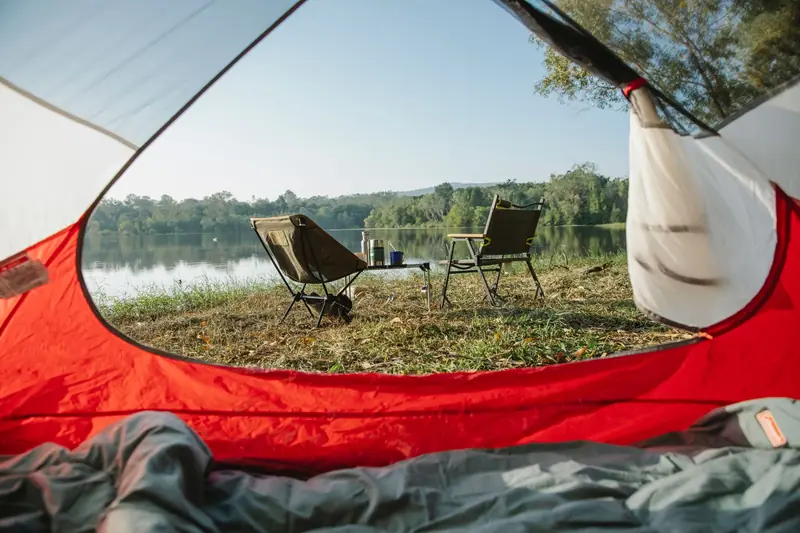
Buying guide
Best Camping Chairs
Weight rating, seat height, back support and packed size for camping chairs.
-
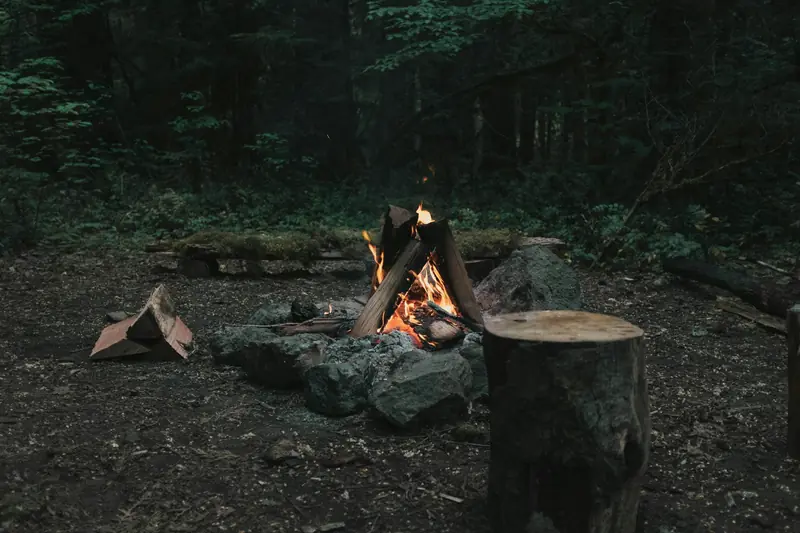
Guide
Campfire Safety: Build, Tend and Fully Put Out Your Fire
Distances, pit basics and the Drown, Stir, Drown, Feel method.
-
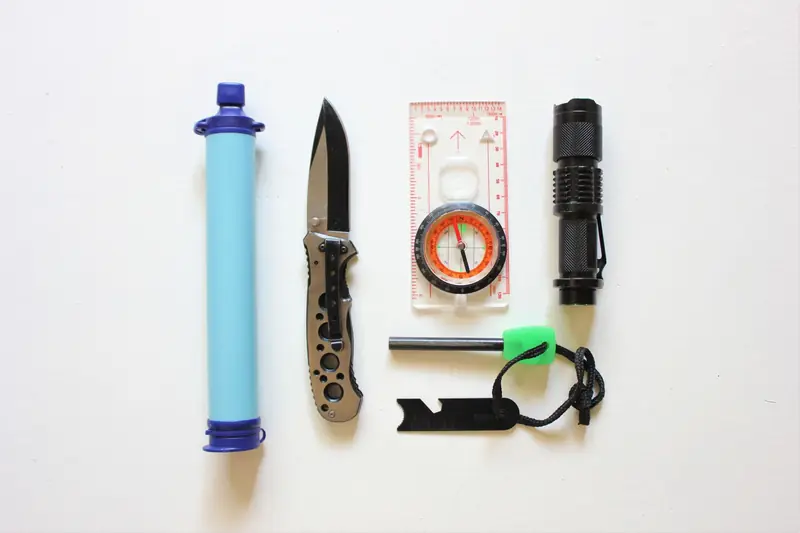
Guide
The Camping Checklist (Built on the NPS Ten Essentials)
The NPS Ten Essentials plus car-camping gear, sorted into a printable list.


Get the Weekend Camping Checklist
A printable checklist covering the NPS Ten Essentials, the ratings to check on your sleep gear, safe cooler temperatures and the fire and carbon monoxide rules. No charge, and sized to hang on the fridge.