
Best Instant and Pop-Up Tents
An instant tent trades some weather protection and packability for speed. If you camp for one or two nights, or you pitch in a hurry after a long drive, that can be a good trade. The decisions that matter are setup time, whether the fly is included, and how big the packed tent is. Our family tent guide covers the size questions that apply to every tent, instant or not.
Jump to section
What we look for
Setup time and people needed
the whole point of an instant tent is a short, simple setup.
Frame durability
pre-attached poles and hubs are the parts that bend, snap or stick.
Weather protection
an instant tent may have only a partial fly, which changes how it handles rain.
Packed size
instant tents pack long and round, so check the trunk before you buy.
Floor area and height
the same person rating can mean very different living space.
How to choose the right instant tent
Pick on setup, frame and weather cover first, then check the packed size. For a side-by-side of the two styles, read instant tent vs dome tent.
Setup time and people needed
Setup time is maker-stated, so treat it as a best case. Read the listing for how many people the maker suggests, and whether you have to stake out the corners or attach a fly. A tent that goes up in a few minutes but needs two people is still fine for most families. Practice the first pitch at home in daylight, so you learn the stakes and fly before you reach the campground.
Frame durability
The frame is permanently attached, so a bent pole can end a trip. Look at how the hubs and joints are built, what the frame is made of and what the warranty covers. Our instant tent vs dome tent comparison explains how hubs and classic poles differ in durability. Read what the warranty says about the frame and hubs in particular.
Weather protection
Check whether a full rainfly is included and whether it is separate from the body. Many instant tents rely on a partial fly. Look for a stated waterproof rating and sealed seams, and compare ratings only between tents that list one. Pitch it away from low spots where water could collect, and set the fly as the manual shows. Rain gear for the tent itself, such as a groundsheet or footprint, is only worth buying if the maker lists one for your model.
Packed size
The folded frame makes a large disc or a long tube. Compare the packed size column with your trunk or roof box. A tent that is easy to pitch but will not fit in the car does not help you. The folded shape also decides where the tent lives at home, so measure the closet or garage shelf too.
Floor area and height
As with any tent, maker person ratings assume a tight fit. Compare floor area and peak height, and check how much of the interior has standing room. Our family tent buying guide explains how to read these specs. Count the gear as well as the people: bags, a cot or a dog all take real floor space.
Tips for using your instant tent
- Practice the fold-up at home. Collapsing a pop-up frame has its own technique, and the manual shows it.
- Use the vestibule for gear only. Never cook under it or inside the tent: see our carbon monoxide guide.
- Add the items from our camping checklist, including emergency shelter if you hike away from camp.
- Leave No Trace advises camping on durable surfaces (NPS).
- Smokey Bear says to build a fire at least 15 feet from tents, vegetation and low-hanging branches (Smokey Bear).
- NPS lists emergency shelter, such as a tent, tarp, bivy or space blanket, among the Ten Essentials (NPS).
- Check fire restrictions before you plan an evening around the fire; Smokey Bear says not to build one where the rules prohibit it (Smokey Bear).
FAQ
Are instant tents good in rain?
That depends on the model. Check whether a full rainfly comes with it and whether a waterproof rating is listed, because many instant tents rely on a partial fly.
Can I cook under the vestibule?
Do I still need emergency shelter on hikes away from camp?
Yes. NPS counts emergency shelter among the Ten Essentials; a tent, tarp, bivy or emergency space blanket all qualify (NPS).
How do I protect the area where I camp?
Stick to durable surfaces when you travel and camp, per Leave No Trace (NPS).
Related
-
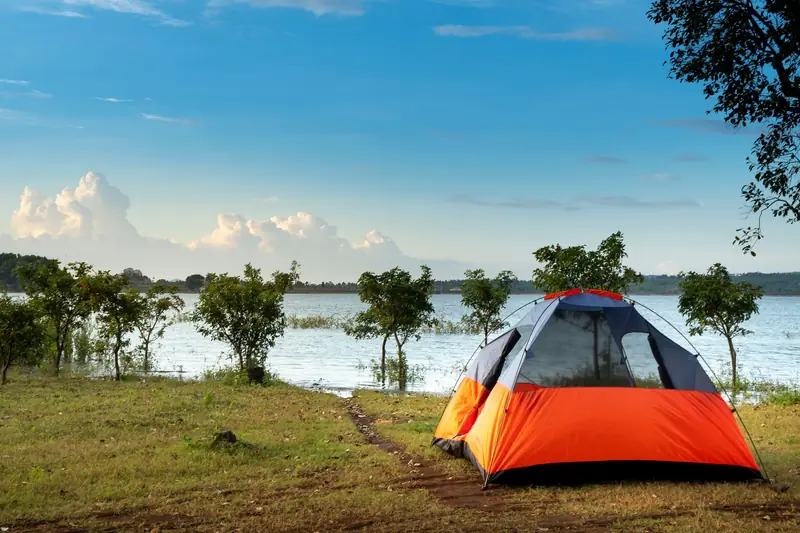
Buying guide
Best Family Camping Tents
Floor area, standing height, rain cover and setup for family and cabin tents.
-
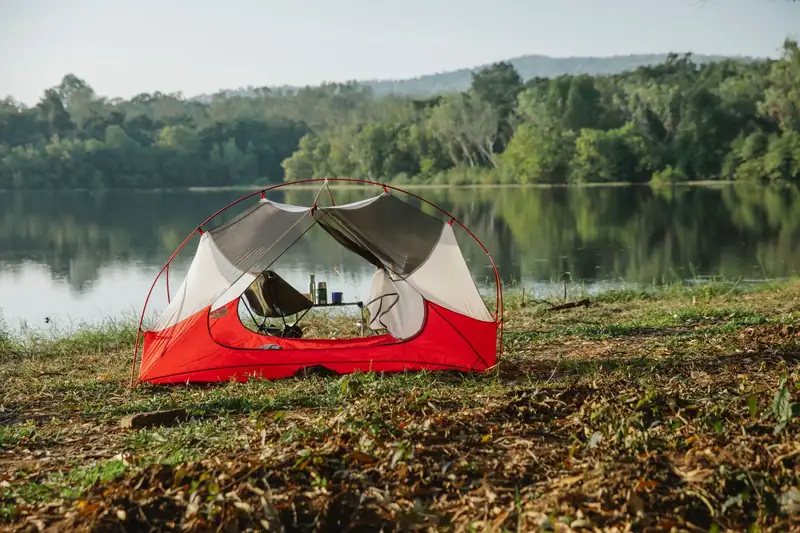
Comparison
Instant Tent vs Dome Tent: Which Suits Your Trips?
Setup, weather handling, packed size and best use for pop-up and pole tents.
-
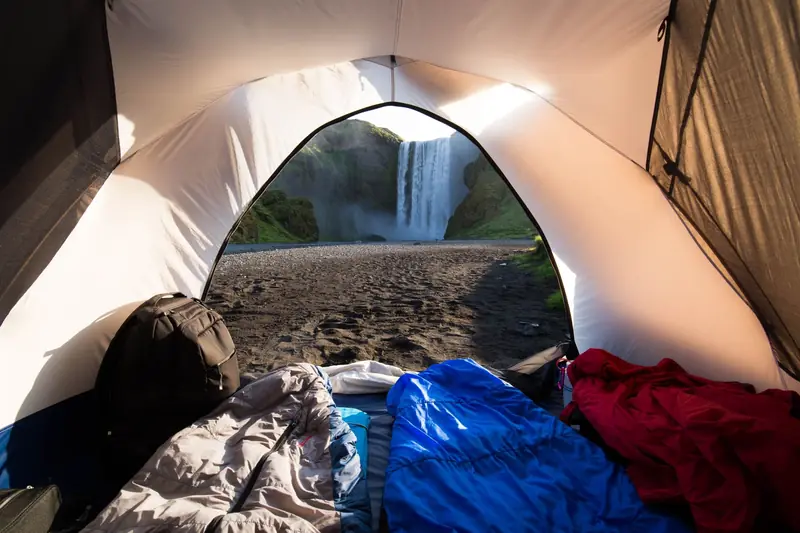
Buying guide
Best Sleeping Bags for Camping
ISO Comfort and Limit ratings, fill, shape and zippers for camping sleeping bags.
-
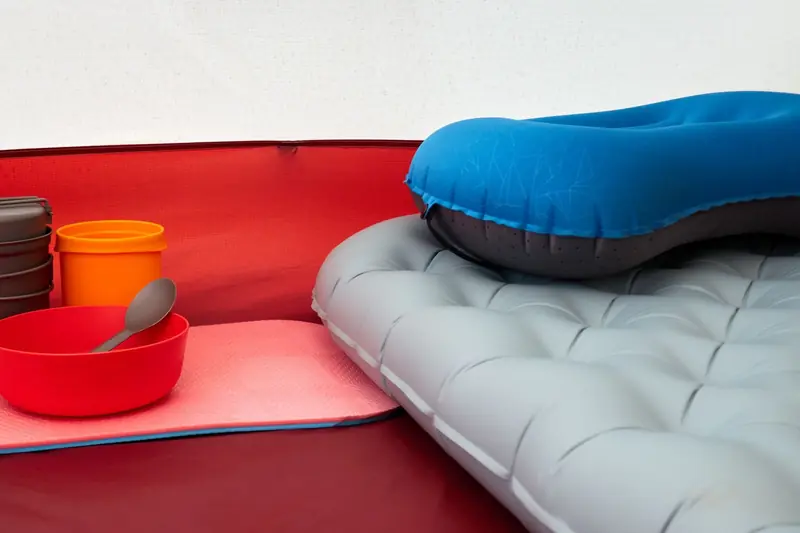
Buying guide
Best Sleeping Pads for Camping
ASTM R-value, thickness, type and size for foam, self-inflating and air pads.
-
Guide
The Camping Checklist (Built on the NPS Ten Essentials)
The NPS Ten Essentials plus car-camping gear, sorted into a printable list.
-
Guide
Carbon Monoxide and Camping: Stoves, Heaters and Lanterns
Which camp gear makes carbon monoxide, the symptoms and where each can safely go.


Get the Weekend Camping Checklist
A printable checklist covering the NPS Ten Essentials, the ratings to check on your sleep gear, safe cooler temperatures and the fire and carbon monoxide rules. No charge, and sized to hang on the fridge.